
Rubber Flooring Installation Denver requires meticulous evaluation of existing flooring, including age, wear, and contamination. Local regulations and eco-conscious choices are vital, with recycled rubber offering durability and blending with hardwood. Strategic planning involves subfloor assessment, cleaning, adhesive application, and tile layout. Natural or SBR tiles provide longevity; maintenance includes sweeping, mopping, and periodic inspection. Eco-friendly options like recycled and natural latex have distinct properties, requiring clean, dry, level subfloors for optimal installation. Patterns prevent slipping, and regular inspections extend lifespan through timely repairs and resurfacing.
Rubber flooring has long been a popular choice for both commercial and residential spaces due to its durability, comfort, and versatility. However, over time, even the sturdiest rubber floors can wear down, requiring expert restoration to regain their original condition. In Denver, where businesses thrive and homes are diverse, proper Rubber Flooring Installation Denver is essential. This article delves into the intricacies of restoring old rubber flooring, providing valuable insights for property owners and managers seeking to revitalize their spaces with this timeless surface.
- Evaluating Denver's Old Rubber Flooring: What to Consider
- Step-by-Step Guide: Restoring & Reinstalling Rubber Flooring in Denver
- Choosing the Right Materials for Longevity in Rubber Flooring Installation Denver
Evaluating Denver's Old Rubber Flooring: What to Consider
When considering rubber flooring installation in Denver, evaluating the existing condition of old rubber flooring is a critical first step. This process requires a meticulous inspection to identify factors such as age, wear and tear, underlayment stability, and any potential contamination. For instance, industrial facilities often have dense rubber mats that require specialized cleaning and careful consideration during removal to avoid releasing hazardous particles into the air. In Denver’s robust commercial landscape, businesses seeking to install rubber mats for industrial use must also factor in compliance with local regulations regarding waste disposal.
Eco-conscious choices are another vital aspect of modern flooring projects, especially considering Colorado’s commitment to sustainability. Fortunately, many eco-friendly rubber flooring options are now available in Denver, offering both durability and environmental benefits. These include recycled rubber materials derived from post-consumer tire scrap, which not only reduces landfill waste but also provides a unique aesthetic appeal with patterns resembling natural textures. For businesses aiming to blend aesthetics and sustainability, these innovative solutions can be seamlessly integrated into existing hardwood flooring Denver to create harmonious, modern spaces.
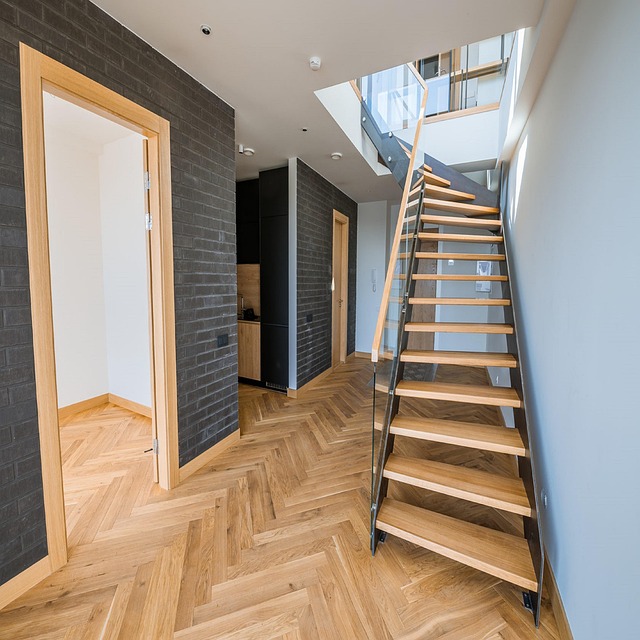
Transitioning from old rubber flooring to new involves strategic planning to ensure longevity and performance. Professional contractors in Denver specializing in rubber flooring installation can provide valuable insights tailored to specific needs. They often recommend assessing the subfloor for any signs of damage or instability before proceeding with replacement. This careful evaluation ensures that the new flooring, whether it’s rubber or hardwood flooring Denver, is installed on a solid foundation, promoting longevity and maintaining structural integrity.
Step-by-Step Guide: Restoring & Reinstalling Rubber Flooring in Denver
Restoring old rubber flooring in Denver requires a meticulous approach to revive its original appeal. This step-by-step guide is designed to help homeowners navigate the process, ensuring a durable and aesthetically pleasing rubber flooring installation Denver. The first step involves assessing the existing condition of the rubber flooring. Inspect for any signs of damage, moisture buildup, or loose tiles. If installing over an existing floor, consider using rubber tiles that can be laid directly over hardwood, tile, or concrete for a seamless look.
Begin by preparing the surface. Remove all furniture and accessories from the room to ensure easy access. Clean the subfloor thoroughly to eliminate dust, debris, and any residual adhesives. In homes with older flooring, this might involve sanding down the top layer to create a clean canvas for new rubber tiles. Next, apply a suitable adhesive designed for rubber flooring installation Denver. Use a level to ensure even distribution of the adhesive, following manufacturer instructions for curing times. Once dry, lay down the rubber tiles, starting from one corner and working your way across. Ensure proper alignment to avoid gaps or overlaps.
For durable rubber flooring options for homes in Denver, explore natural rubber or SBR (styrene-butadiene rubber) tiles. These materials offer excellent longevity and comfort underfoot. Regular maintenance includes sweeping and mopping to keep the surface clean. Periodically inspect for loose tiles or signs of wear, replacing as needed. By following these steps, homeowners can successfully restore and reinstall rubber flooring in their Denver residences, benefiting from a vibrant, long-lasting finish that complements modern lifestyles.
Choosing the Right Materials for Longevity in Rubber Flooring Installation Denver
When considering rubber flooring installation Denver, choosing the right materials is paramount for longevity. Eco-conscious rubber flooring choices in Denver are increasingly popular due to their durability and environmental benefits. To install rubber flooring in Denver effectively, understand that different types of rubber—such as recycled and natural latex—offer varying levels of resilience, flexibility, and maintenance requirements. For instance, recycled rubber floors are not only cost-effective but also absorb impact, making them ideal for athletic facilities; whereas, natural latex is renowned for its superior comfort and anti-fatigue properties, suitable for commercial spaces where staff spend long hours on their feet.
The process of how to install rubber flooring in Denver involves careful preparation and precise application. Ensure the subfloor is clean, dry, and level to prevent lippage or uneven wear over time. Professional installers often recommend using a specialized adhesive designed for rubber to enhance bonding strength and longevity. Moreover, consider the overall design and intended use when selecting your rubber flooring; patterns and textures can not only add visual appeal but also serve functional purposes, like preventing slipping in wet areas. Data from industry leaders suggests that properly installed rubber flooring can last 20 years or more with minimal maintenance, making it a wise investment for both commercial and residential properties.
To ensure optimal performance, regularly inspect your rubber flooring for signs of damage or wear. Addressing issues promptly will prevent minor problems from escalating. For example, small tears or cracks can be repaired with specialized kits, while heavier traffic areas may require periodic resurfacing. Remember that rubber flooring installation Denver isn’t just about one-time setup; ongoing care is key to maintaining its durability and aesthetic appeal. By choosing the right materials and adhering to best practices for installation and maintenance, you’ll enjoy a vibrant, eco-friendly flooring solution that stands the test of time.
Restoring old rubber flooring in Denver is a valuable endeavor that not only revitalizes spaces but also offers long-lasting solutions. By thoroughly evaluating the existing flooring, following meticulous steps for restoration and reinstallation, and selecting high-quality materials, Denver residents can ensure their rubber flooring installation endures for years to come. This comprehensive guide has equipped readers with the knowledge to navigate Rubber Flooring Installation Denver projects effectively, ensuring both aesthetic enhancement and structural integrity.