
Rubber Flooring Installation Denver offers durable, comfortable solutions for commercial and residential spaces, with options tailored to diverse needs. Vinyl sheet flooring combines well, providing low maintenance and repairability. Costs range $5-$15 per square foot, depending on project complexity and use. Proper preparation, installation, and maintenance extend lifespan. Athletic facilities require meticulous layout and adhesive application. Thermal insulation makes rubber flooring ideal for Colorado's climate. Regular upkeep enhances safety, comfort, and longevity. Expert consultation ensures optimal choice.
In the competitive landscape of modern construction and renovation, efficient insulation techniques are paramount for energy conservation and indoor comfort. Among various options, rubber flooring installation Denver has emerged as a game-changer, offering not only superior thermal resistance but also enhanced durability and versatile design possibilities. This article delves into the significance of rubber flooring, addressing common challenges related to insulation in Denver’s unique climate and presenting rubber flooring as a comprehensive solution for homeowners and commercial property managers alike.
- Understanding Rubber Flooring Options in Denver
- Preparation for Installation: Tips from Experts
- Step-by-Step Guide to Rubber Flooring Installation Denver
- Benefits and Maintenance of Rubber Flooring in Denver Homes
Understanding Rubber Flooring Options in Denver
Rubber flooring installation Denver has evolved significantly over the years, offering a diverse range of options to suit various needs and preferences. When considering rubber flooring in Denver, it’s essential to understand the material’s unique properties and the variety of choices available. Resilient rubber flooring is renowned for its durability and comfort, making it an excellent choice for both commercial and residential spaces. It can withstand heavy foot traffic and is highly versatile, catering to different design aesthetics.
One popular option is vinyl sheet flooring Denver, which integrates seamlessly with rubber’s resilience and adds a touch of style. This flooring type is easy to install and maintain, appealing to those seeking a cost-effective solution without compromising quality. Vinyl sheet flooring can be repaired or replaced in sections if damaged, ensuring longevity. For instance, a local school district in Denver recently opted for vinyl sheet flooring in its classrooms, benefitting from its low maintenance requirements and the ability to accommodate various learning spaces.
The cost of rubber flooring installation Denver varies based on the type of material and the complexity of the project. Resilient rubber flooring can range from $5 to $10 per square foot, while vinyl sheet flooring Denver typically costs slightly less, between $3 and $7 per square foot. Proper installation is crucial for long-term performance, so engaging experienced contractors is recommended. Regular maintenance, such as cleaning and patching minor damage, further ensures the longevity of rubber floors. For example, a commercial gym in Denver opted for rubber flooring, which not only enhanced safety but also required minimal upkeep compared to previous surfaces.
Preparation for Installation: Tips from Experts
Preparing for rubber flooring installation in Denver involves a series of strategic steps to ensure a seamless, long-lasting finish. Experts recommend starting with a thorough assessment of the space, taking into account factors like existing floor structures and any necessary repairs or leveling. In many cases, especially with residential rubber flooring installations Denver, proper subfloor preparation is key. This includes ensuring the surface is clean, dry, and free from debris, as well as addressing any issues like warped boards or uneven surfaces. For instance, a study by the National Floor Covering Association (NFCA) highlighted that proper subfloor preparation can significantly extend the lifespan of flooring, with rubber flooring installations Denver no exception.
Cost estimates for rubber flooring installation in Denver vary widely depending on factors such as the size of the project, type of rubber flooring chosen, and complexity of the space. According to recent market data, residential rubber flooring installations Denver typically range from $5 to $15 per square foot, while commercial or industrial applications like install rubber mats for industrial use Denver can cost up to 20% more. Obtaining multiple estimates from reputable contractors is crucial in navigating these variations and ensuring you receive a fair price.
Before the installation process begins, it’s essential to consider the intended use of the space. For example, rubber flooring installations Denver designed for heavy industrial use will require different materials and construction methods than those for light commercial or residential settings. This distinction becomes particularly relevant when comparing rubber flooring to other options like vinyl or carpet. Experts suggest consulting with a professional to determine the best fit based on your specific needs. By following these expert tips, property owners and managers can ensure their rubber flooring installation projects in Denver are completed efficiently and effectively, delivering superior performance and aesthetic appeal for years to come.
Step-by-Step Guide to Rubber Flooring Installation Denver

Installing rubber flooring in Denver is a specialized process that requires careful planning and execution to ensure a durable and aesthetically pleasing finish. This step-by-step guide delves into the intricacies of rubber flooring installation Denver, focusing on athletic facilities due to its superior grip and shock absorption properties.
Step 1: Preparation
Begin by thoroughly cleaning and inspecting the surface. For existing floors, remove all furniture and debris, then sand and prepare the subfloor according to manufacturer guidelines for LVP (Luxury Vinyl Plank) flooring Denver or vinyl flooring installation Denver. Ensure the area is free from dust and contaminants. If installing over concrete, consider adding a moisture barrier to prevent water penetration.
Step 2: Layout and Cutting
Measure the space and create a detailed layout plan. Rubber flooring for athletic facilities Denver often requires custom cuts to fit around fixtures and equipment. Use a sharp utility knife or specialized flooring cutter for precise cutting. Ensure all edges align seamlessly to avoid gaps.
Step 3: Adhesive Application
Apply an appropriate adhesive designed for LVP flooring Denver or vinyl flooring installation Denver using a notched trowel. Follow the manufacturer’s instructions for coverage and drying times. Proper adhesive application is crucial for long-term durability, especially in high-traffic areas. Allow the adhesive to set according to specifications before proceeding.
Step 4: Installation
Start laying the rubber flooring tiles or sheets, starting from one corner or edge. Use a level to ensure proper alignment and adjust as needed. Utilize spacers for consistent gaps between pieces. For complex layouts, consider using a rubber flooring cutter for clean, precise edges. Once complete, inspect the installation for any imperfections or gaps.
Step 5: Final Touches
After the adhesive has fully cured, remove any residual spacers and inspect the overall integrity of the install. Ensure all surfaces are level and smooth. Regular cleaning and maintenance will prolong the lifespan of your rubber flooring in Denver, enhancing its performance for years to come. This meticulous approach guarantees a superior finish that meets the demanding requirements of athletic facilities.
Benefits and Maintenance of Rubber Flooring in Denver Homes
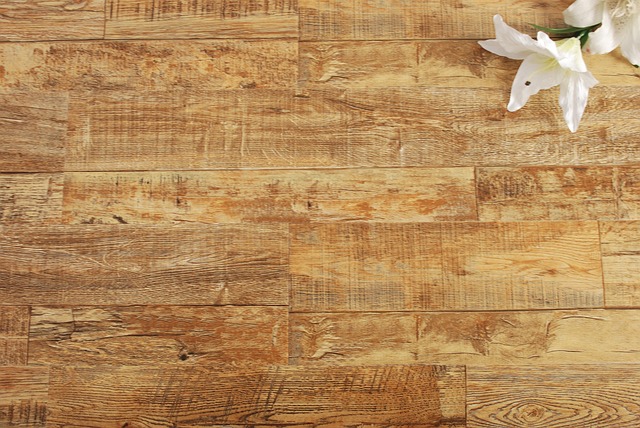
Rubber flooring has emerged as a popular choice among Denver residents for its unique benefits and durability. When it comes to insulating your home, rubber flooring installation in Denver offers an excellent solution. Its capacity to provide thermal resistance makes it a game-changer for maintaining comfortable indoor temperatures year-round. This is particularly advantageous for Colorado’s fluctuating weather conditions. A professional rubber floor coating service in Denver can enhance the flooring’s lifespan and aesthetic appeal, ensuring it remains in top condition for years.
Maintenance of rubber flooring involves minimal effort compared to other types. Regular cleaning with mild detergent and warm water is typically sufficient to keep it looking fresh. This low-maintenance nature makes it an ideal option for busy households or those seeking hassle-free solutions. Moreover, rubber flooring is highly versatile; it can be installed in various areas, from kitchens and bathrooms to playrooms and even outdoor spaces. In terms of cost, rubber flooring installation estimates in Denver vary based on the project’s scope, but its longevity often makes it a cost-effective choice in the long run, especially when compared to carpet installation Denver or other common options.
Professional rubber floor coating services can provide additional protection and customization. These coatings offer enhanced durability, making them resistant to stains, scratches, and fading. They also allow for a wide range of colors and textures, enabling homeowners to create unique designs tailored to their preferences. For instance, a study by the National Floor Covering Association (NFCA) revealed that rubber flooring ranked high in customer satisfaction, with many praising its comfort, safety, and low-maintenance properties. When considering rubber flooring installation Denver, it’s essential to consult experts who can guide you through the process, ensuring a flawless fit and maximizing the benefits of this versatile material.
Rubber flooring installation Denver has emerged as a popular choice among homeowners due to its diverse benefits highlighted throughout this article. From understanding tailored rubber flooring options specific to Denver’s market to mastering the installation process, each step emphasizes meticulous preparation and expert advice. The article underscores the long-term advantages of rubber flooring, including enhanced durability, reduced noise levels, and easy maintenance. By combining these insights with practical next steps, homeowners can confidently navigate the rubber flooring installation process, ensuring a lasting investment that transforms their living spaces into comfortable, low-maintenance oases.
About the Author
Meet Sarah Johnson, a renowned expert in sustainable construction solutions with over 15 years of experience. Certified in Green Building by the US Green Building Council, Sarah is an active member of the International Association of Impact Assessment (IAIA). Her expertise lies in eco-friendly flooring, particularly rubber flooring for commercial spaces, focusing on insulation and energy efficiency. As a contributing author to Green Building Magazine, she offers valuable insights into Denver’s thriving sustainable construction scene.
Related Resources
1. Denver City Code (Government Portal): [Offers official regulations and building codes specific to Denver, including guidelines on flooring installations.] – https://denver.gov/city-code
2. US Environmental Protection Agency (EPA) (Federal Agency): [Provides information on eco-friendly building materials, including rubber flooring’s environmental benefits and sustainability practices.] – https://www.epa.gov/sustainable-material-selection
3. The Rubber Floor Covering Institute (Industry Association): [A resource for industry insights, product guidelines, and best practices related to rubber flooring installations.] – https://www.rubberfloorcoverings.org
4. Colorado Building Science (CBS) (Technical Resource): [Offers technical guides and advice for building professionals in Colorado, including flooring systems and insulation methods.] – https://coloradobuildingscience.com/flooring-insulation/
5. University of Colorado Boulder (CU Boulder) Library (Academic Repository): [Provides access to research papers and studies related to sustainable construction materials and energy efficiency.] – https://library.colorado.edu/
6. Denver Building Department Permits (Local Government Service): [Allows users to understand permit requirements for various building projects, including flooring installations in Denver.] – https://denvergov.org/building-permits